More practical guides.
Page 3.
Choose a topic for its complete guide collection and free tools, or browse the latest articles below.
Latest guides

What to write down before a hearing appointment
Examples from real listening situations can be more useful than a single home-test score.
Dietary cholesterol logs and blood tests are different records
Keep food intake in one record and laboratory results in another so the two are not confused.
The serving-size mistake that changes a sodium log
A label amount needs the matching portion. Here is a simple way to keep the arithmetic visible.
A protein log that keeps portions and grams straight
Distinguish the weight of a food from the grams of protein it contains, then use one consistent record format.
Keep total and “net” carbohydrate separate in your log
A record is easier to use when it says which carbohydrate figure you entered and where it came from.
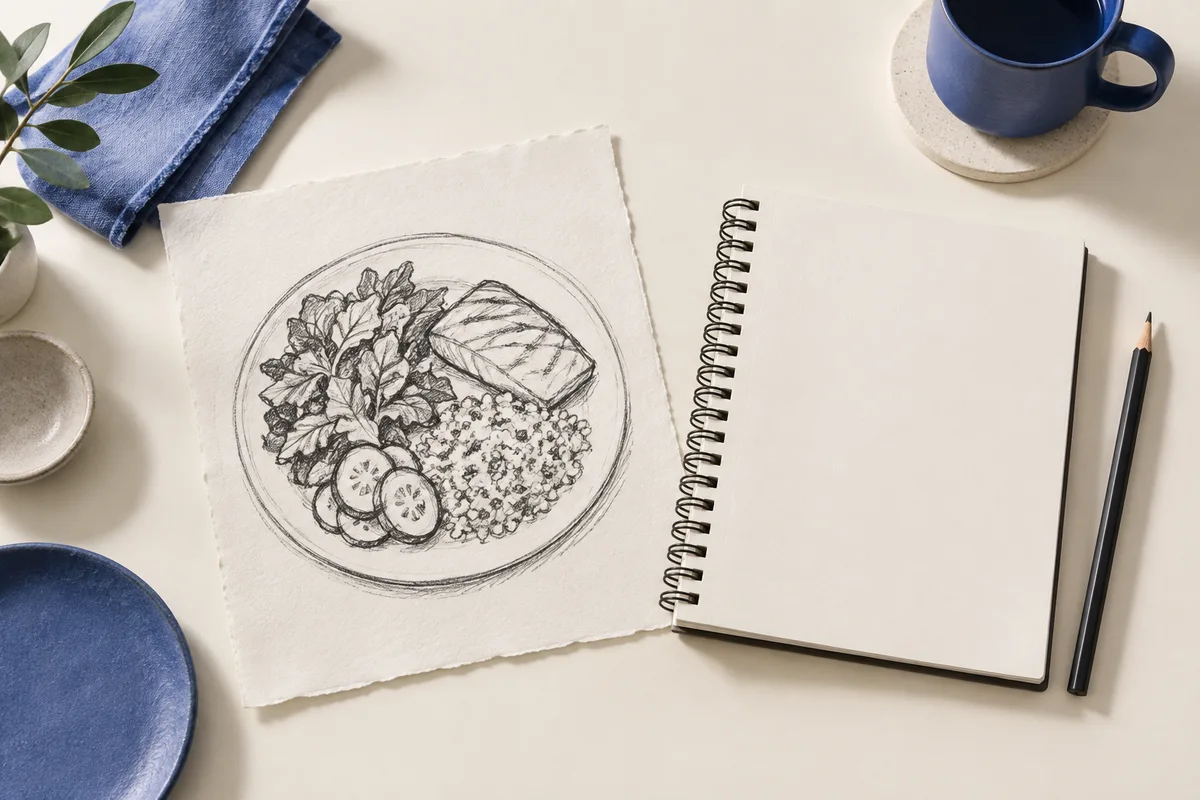
How to keep a food log when portions are estimates
A useful food record can acknowledge uncertainty instead of turning every meal into an exact-looking number.
An alcohol log needs drink size and strength
“One drink” can describe very different amounts. Keep volume and ABV beside the name.

Make a supplement list your pharmacist can use
Product names, ingredient amounts, and actual use make a clearer record than “I take a multivitamin.”
Record meal timing without turning it into a fasting target
A neutral timing log can show when you eat and how the day fits together, without prescribing a schedule.
Contraction duration and frequency: two different timings
Record the start and end of each contraction, and keep the start-to-start interval separate from the rest between them.

Fill in a sleep diary in the morning, without clock-watching
Keep time in bed, estimated time asleep, and daytime effects separate in a simple record.